New “active wellbeing” delivery model recommended for leisure services in North Yorkshire
- Posted on

A strategic review of leisure services in North Yorkshire has recommended a new, joined-up delivery model for publicly-owned leisure venues in the region.
The review suggests the creation of a new sport and active wellbeing service, with a strong focus on health and wellbeing. It also recommends that there should be “strong integration between physical facilities (leisure centres), sports development and place-based delivery”.
“The aim is for high impact, preventative services that have the capacity to take demand out of the wider health and social care system and improve population health,” the review reads.
“The delivery model will shift the traditional leisure service to a sport and active wellbeing service. This builds on the work that is already happening across the county to provide a range of targeted support – including those for specific conditions, pre- and rehab, healthy weight, exercise referral, dementia, frailty and pain management – as well as increasing the inclusivity of programmes.
“It recognises the costs to the public sector of inactivity and enables a greater contribution to wider Council outcomes around public health and social care.”
The review, by North Yorkshire Council, supported by SLC Consultancy, included a series of visits to facilities across the county, from all operators and including community-owned/managed facilities.
The deliver model recommended by the review promotes a strong integration between physical facilities (sport and wellbeing hubs), sports development and place-based delivery.
“The delivery model will shift the traditional leisure service to a sport and active wellbeing service."
Key components include:
• Transforming leisure centres into sport and active well being hubs through a phased approach, adapting the existing space, developing new universal and targeted programmes, developing options with wider partners and looking at longer term options through the Leisure Investment Strategy.
• Sport and Active Wellbeing Hubs to operate as a hub and spoke model with a network of locality based services, which meet the needs of local communities and are developed through collaboration and co-production.
• The approach is locally specific and a mix of targeted and universal provision, so there is scope to develop targeted programmes for specific areas or to meet the needs of specific groups who may face additional barriers to participation.
The review also highlights the importance of training.
“Key to the success of the new model is an upskilled sport and active wellbeing workforce, with a range of skills and capabilities that reflect the needs of their communities and enable us to address recruitment and retention issues which inhibit service delivery,” the review suggests.
To read the review’s recommendations in detail, click here.
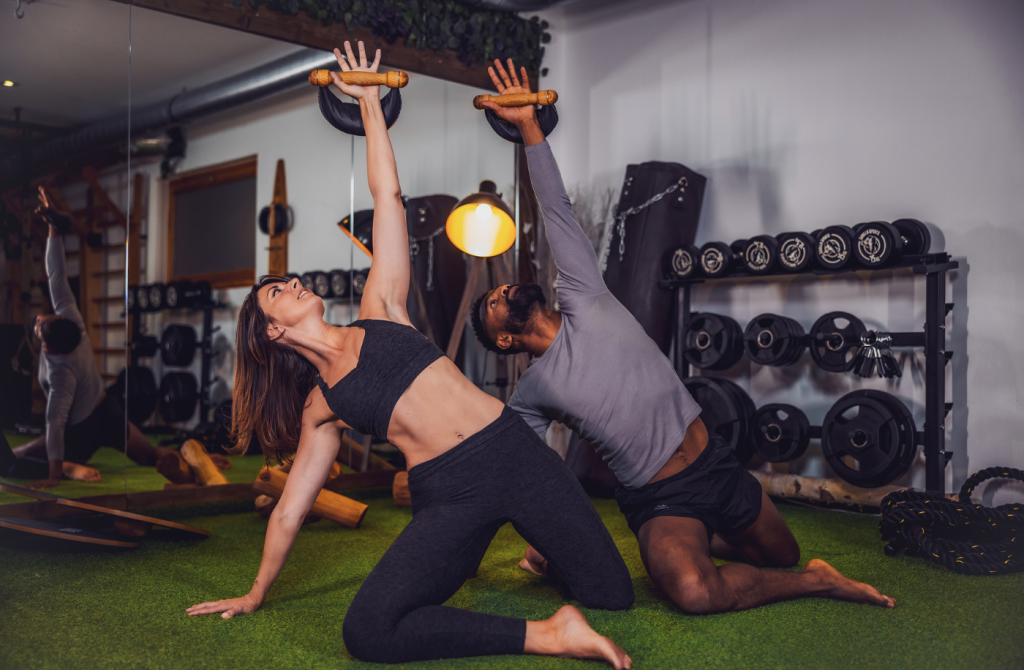
Image: Everyone Active