Mike Farrar: “Physical activity holds key to saving the NHS and economy”
- Posted on

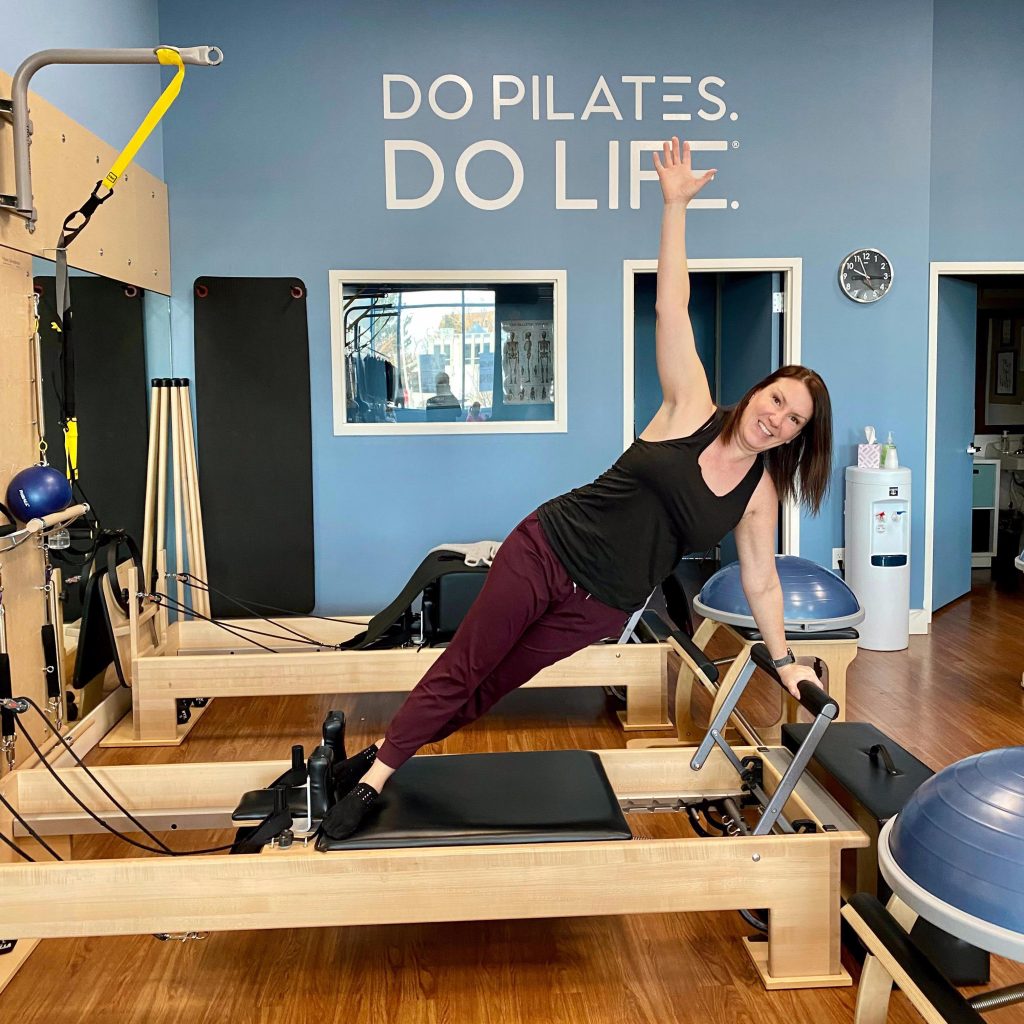
Mike Farrar, Chair of ukactive, called on the government to “urgently deploy the physical activity sector” (Image: Club Pilates)
The government should “deploy the physical activity sector urgently” to help save the NHS and tackle the UK’s pandemic of poor health and sluggish economy.
That is the message from Mike Farrar, Chair of ukactive and former CEO of the NHS Confederation.
Speaking at the Active Uprising conference in Westminster today (1 February), he warned Prime Minister Rishi Sunak and Labour leader Keir Starmer there would be “no growth without health” and that any future government must make physical activity a central part of its health and economic strategies.
Farrar said: “We are currently losing the battle for the nation’s health, but it doesn’t have to be this way.
“I’m today calling on our party leaders, as a matter of urgency, to deploy the physical activity sector to help save the NHS and turbocharge the economy.
"Physical activity is one of our best weapons in the battle with sickness and disease. The evidence is irrefutable. Put physical activity in your strategy" – Mike Farrar
“The road to a better NHS, a healthier workforce and a happier Britain lies at the heart of every community – in our nation’s gyms, swimming pools and leisure centres.
“Physical activity is one of our best weapons in the battle with sickness and disease. The evidence is irrefutable – put physical activity in your strategy.”
A quarter (25.8%) of the population in England is classed as inactive (averaging less than 30 minutes of exercise a week).
Farrar’s message comes as ukactive today revealed new findings from its Consumer Engagement Polling with Savanta, showing that more than a fifth (21%) of people with a health condition would rather receive support for their condition in a gym or leisure facility over a hospital setting. The figure rises to 34% of 16-to-34-year-olds.
The conditions include cancer, mental health conditions, diabetes and kidney conditions, musculoskeletal conditions, respiratory diseases, digestive diseases, cardiovascular diseases, neurological disorders, skin and subcutaneous disease and sense organ diseases.
Follow-up polling by Active Insight was carried out to understand what appeals to people about getting support for a health condition in a gym or leisure centre rather than a hospital setting.
Suggestions from the consumer panel included that:
- it does not involve being in a clinical setting (21%),
- it is a more comfortable environment (19%)
- it is a less daunting environment (17%)
- it is easier to travel to the gym, ie distance/convenience of location (16%)
- I can try out other activities within the facility that could help me (14%)
- it involves being around other people who are motivated to be active and healthy (13%).
Farrar urged the government to harness such demand, not only to help people improve their health and wellbeing, but also to reduce pressure on the NHS and improve the health of the workforce to boost the economy.
Ill health among the working age population costs the government £150bn a year, a rise of 60% over the past six years. More than 7.71 million people are currently awaiting treatment on the NHS and over 35.2 million working days have been lost in 2022-23 due to self-reported work-related ill health or injury, underlining the urgency for solutions.
Farrar said that addressing the UK’s underlying poor health must be a national priority for Rishi Sunak and Keir Starmer as they seek to form the next government, and that they must create the right operating landscape for growth across all parts of the sector – including for public, private and independent operators.
He listed the required levers for growth of the sector, including tax and regulatory measures in the shape of VAT relief and business rate reform for fitness and leisure operators; expanding the Cycle to Work scheme to cover gym memberships and fitness equipment; and a plan for the reform of public sector leisure, to safeguard the future of community facilities.
Physical activity helps prevent 20 chronic conditions, including type 2 diabetes, obesity, heart disease, many types of cancer, MSK conditions, depression and anxiety, and dementia – generating over £4.1 billion in healthcare savings every year.
There are a number of programmes already offered by physical activity and leisure operators that support people with many of these conditions and show the potential of the sector to be able to directly support the NHS. Ukactive’s musculoskeletal (MSK) pilot programme and its partnership with Guy’s and St Thomas’ Hospital Trust which sees physicians offering physiotherapy sessions within gyms and leisure centres across London.